• Kicks for a Cause
  • STUDIO
    • ART BATTLE
    • Art Quest
    • Last Card
    • Top shelf
    • READY TO DRAW
    • GESTURE DRAWING
    • garticphone
  • ABOUT
    • BIO
    • GOALS
    • CONTACT
    • NEWSLETTER
  • LESSON PLANS
    • Origami
    • COLLAGE
    • What is Art ?
    • MY SUMMER, MY NAME 1
    • DESCRIBE & DRAW 2
    • GROUP DOODLER 3
    • Tell Me Without Telling Me 4
    • Make Your Eyes Move: Introduction to Composition. 5
    • Near, Far, and In Between: Creating Depth & Space 6
    • Introduction to Value 7
    • Value From Observation 8
    • Self-Portrait: Mapping Value 9
    • From Shape to Form 10
    • Color lab
    • COLOR LAB 2
    • Color Lab 3
    • Find the light
    • TEXTURE LAB/ Zoom
    • TEXTURE SCAVENGER HUNT
    • Movie Poster Project
    • EXPRESSIVE TYPOGRAPHY
    • LOGO LAB
    • Drawing Club
    • Drawing club 2
    • VISUAL ARTS 2026–2027
    • VISUAL ARTS SKILLS ASSESSMENT
  • ART GALLERY
    • LA
    • MFA
    • FILMS
    • DESIGN
    • MURALS
    • ARTIVISM
    • BeHANCE
    • ANIMATION
    • ILLUSTRATION
    • RAW GALLERY 🔒
    • HARLEM HOPS 🔒
    • BACK TO THE PRESENT
    • CHILDREN'S BOOK ILLUSTRATION 🔒
  • COMMUNITY
    • ARTIST TALKS
    • TEACHING ARTIST
    • CIVIC ENGAGEMENT
    • PROGRAMS/ EVENTS
  • SKETCHBOOK
  • ⌂

VAL DAUGHTREY

Dreams don't have deadlines

  • Kicks for a Cause
  • STUDIO
    • ART BATTLE
    • Art Quest
    • Last Card
    • Top shelf
    • READY TO DRAW
    • GESTURE DRAWING
    • garticphone
  • ABOUT
    • BIO
    • GOALS
    • CONTACT
    • NEWSLETTER
  • LESSON PLANS
    • Origami
    • COLLAGE
    • What is Art ?
    • MY SUMMER, MY NAME 1
    • DESCRIBE & DRAW 2
    • GROUP DOODLER 3
    • Tell Me Without Telling Me 4
    • Make Your Eyes Move: Introduction to Composition. 5
    • Near, Far, and In Between: Creating Depth & Space 6
    • Introduction to Value 7
    • Value From Observation 8
    • Self-Portrait: Mapping Value 9
    • From Shape to Form 10
    • Color lab
    • COLOR LAB 2
    • Color Lab 3
    • Find the light
    • TEXTURE LAB/ Zoom
    • TEXTURE SCAVENGER HUNT
    • Movie Poster Project
    • EXPRESSIVE TYPOGRAPHY
    • LOGO LAB
    • Drawing Club
    • Drawing club 2
    • VISUAL ARTS 2026–2027
    • VISUAL ARTS SKILLS ASSESSMENT
  • ART GALLERY
    • LA
    • MFA
    • FILMS
    • DESIGN
    • MURALS
    • ARTIVISM
    • BeHANCE
    • ANIMATION
    • ILLUSTRATION
    • RAW GALLERY 🔒
    • HARLEM HOPS 🔒
    • BACK TO THE PRESENT
    • CHILDREN'S BOOK ILLUSTRATION 🔒
  • COMMUNITY
    • ARTIST TALKS
    • TEACHING ARTIST
    • CIVIC ENGAGEMENT
    • PROGRAMS/ EVENTS
  • SKETCHBOOK
  • ⌂
NEW PROJECT

MOVIE
POSTER
DESIGN

COMPOSITION + COLOR + VALUE + TEXTURE + SPACE + TYPOGRAPHY

SECTION 1 OF 8
DO NOW

How Does A Movie Poster Work?

WHEN YOU LOOK AT
A MOVIE POSTER...

WHERE DOES YOUR EYE GO
FIRST?

Then ask yourself:

Where does my eye go SECOND?
Where does my eye go THIRD?

05:00
BIG IDEA

Posters Communicate

A MOVIE POSTER
IS NOT JUST
A PICTURE.
A POSTER USES
IMAGE + COLOR + TYPE + COMPOSITION

TO COMMUNICATE
AN IDEA.

Before someone watches the movie,
the poster already gives them clues.

NEW VOCABULARY

Three Things To Know

FOCAL POINT The part of the artwork that attracts your attention first.
VISUAL HIERARCHY The order in which your eye notices information.
TYPOGRAPHY The visual design and arrangement of letters and words.
1st
What do you notice FIRST?
Usually the focal point.
2nd
Where does your eye travel NEXT?
Supporting imagery or title.
3rd
What information comes LAST?
Smaller details and supporting text.
YOU ALREADY KNOW MORE THAN YOU THINK

Your Art Toolbox

Everything we've practiced
can now work together.

COMPOSITION
VALUE
COLOR
FORM
TEXTURE
SPACE
SCALE
CONTRAST
YOU'VE PRACTICED THE TOOLS.

NOW YOU'RE GOING TO
USE THEM TO COMMUNICATE.
THE PROJECT

Design A Movie Poster

OPTION 1

REDESIGN THE POSTER
FOR AN EXISTING MOVIE.
OPTION 2

INVENT YOUR OWN MOVIE
AND DESIGN ITS POSTER.
IF YOU CHOOSE
AN EXISTING MOVIE...

YOU MAY NOT
COPY THE EXISTING POSTER.

REDESIGN IT.

Give us a new way of seeing the movie.

BEFORE YOU DRAW

Think Like A Designer

1
WHAT IS THE MOVIE? Existing movie or your own idea?
2
WHAT IS THE MOOD? Funny? Dark? Mysterious? Romantic? Action? Horror?
3
WHAT IS MOST IMPORTANT? Decide on your focal point.
4
WHAT COLORS SUPPORT THE IDEA? Choose an intentional palette.
5
WHERE WILL THE TITLE GO? Think about typography as part of the composition.
TODAY'S MAIN CHALLENGE

Three Thumbnails

DO NOT START
THE FINAL POSTER YET.

Create THREE different ideas
for the same movie poster.

THUMBNAIL
01
THUMBNAIL
02
THUMBNAIL
03
✓ Change the composition in each thumbnail.
✓ Show where the focal point will be.
✓ Show where the movie title will go.
✓ Think about large, medium, and small shapes.
✓ Keep thumbnails QUICK — these are ideas, not finished drawings.
BIG SHAPES FIRST.
DETAILS LAST.
25:00
EXIT TICKET

Choose Your Direction

WHICH OF YOUR
THREE THUMBNAILS
IS STRONGEST?
WHY?
Where does your eye go FIRST?
Is there a clear focal point?
Does the composition communicate the movie's mood?
Is there space for the title?
CHOOSE YOUR STRONGEST IDEA

→

DEVELOP IT

→

BEGIN YOUR FINAL POSTER

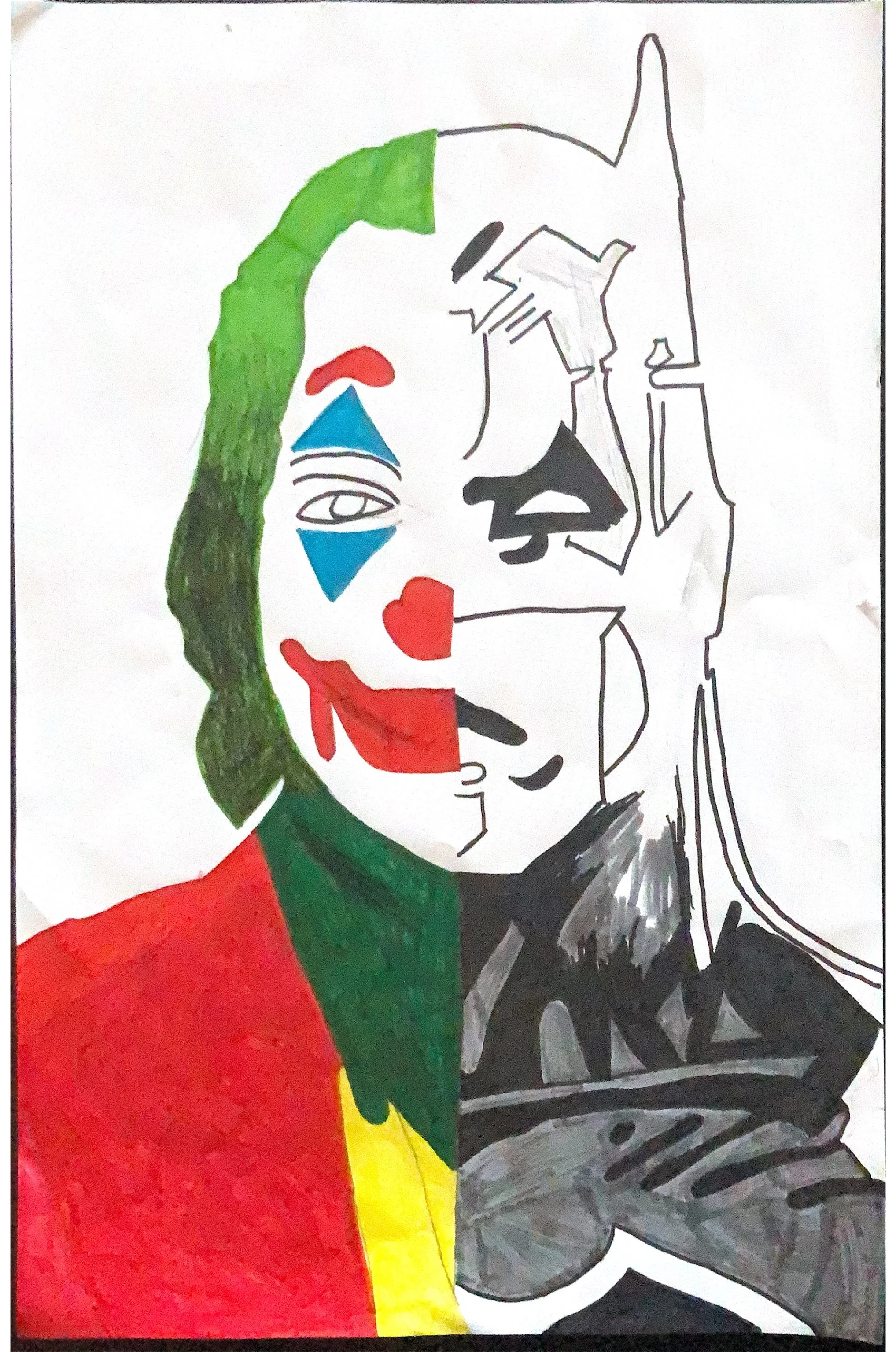
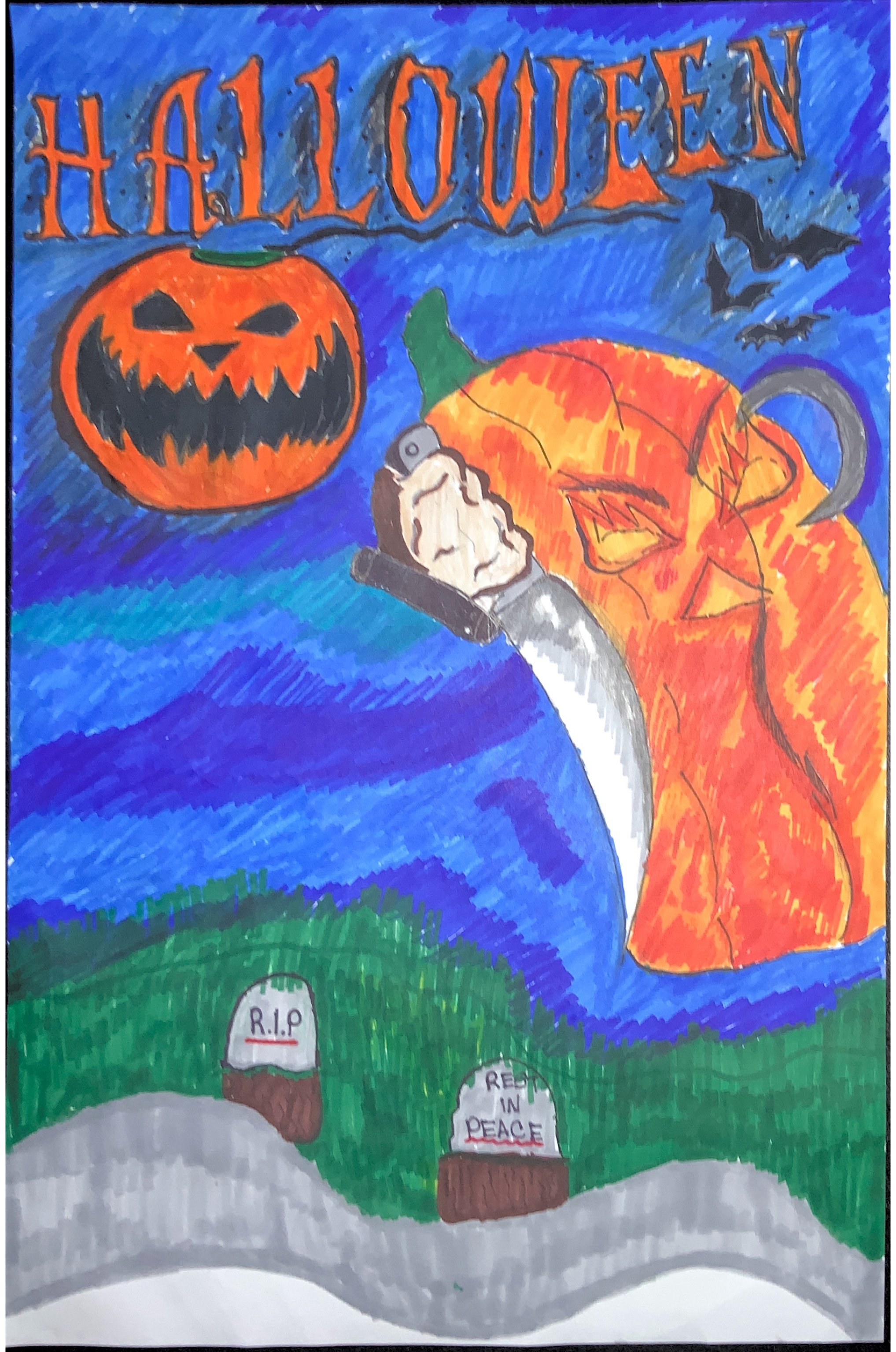
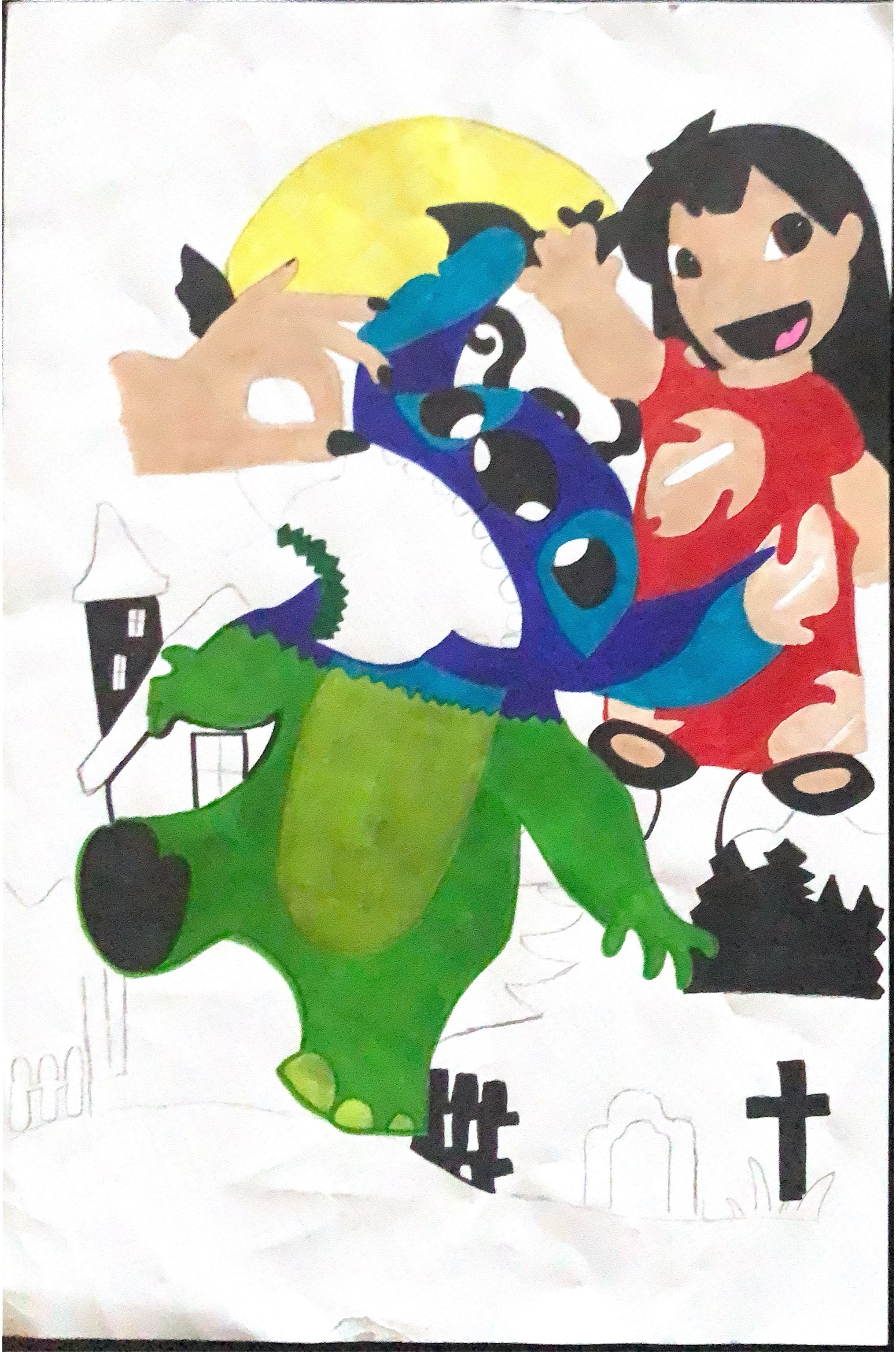
Student work
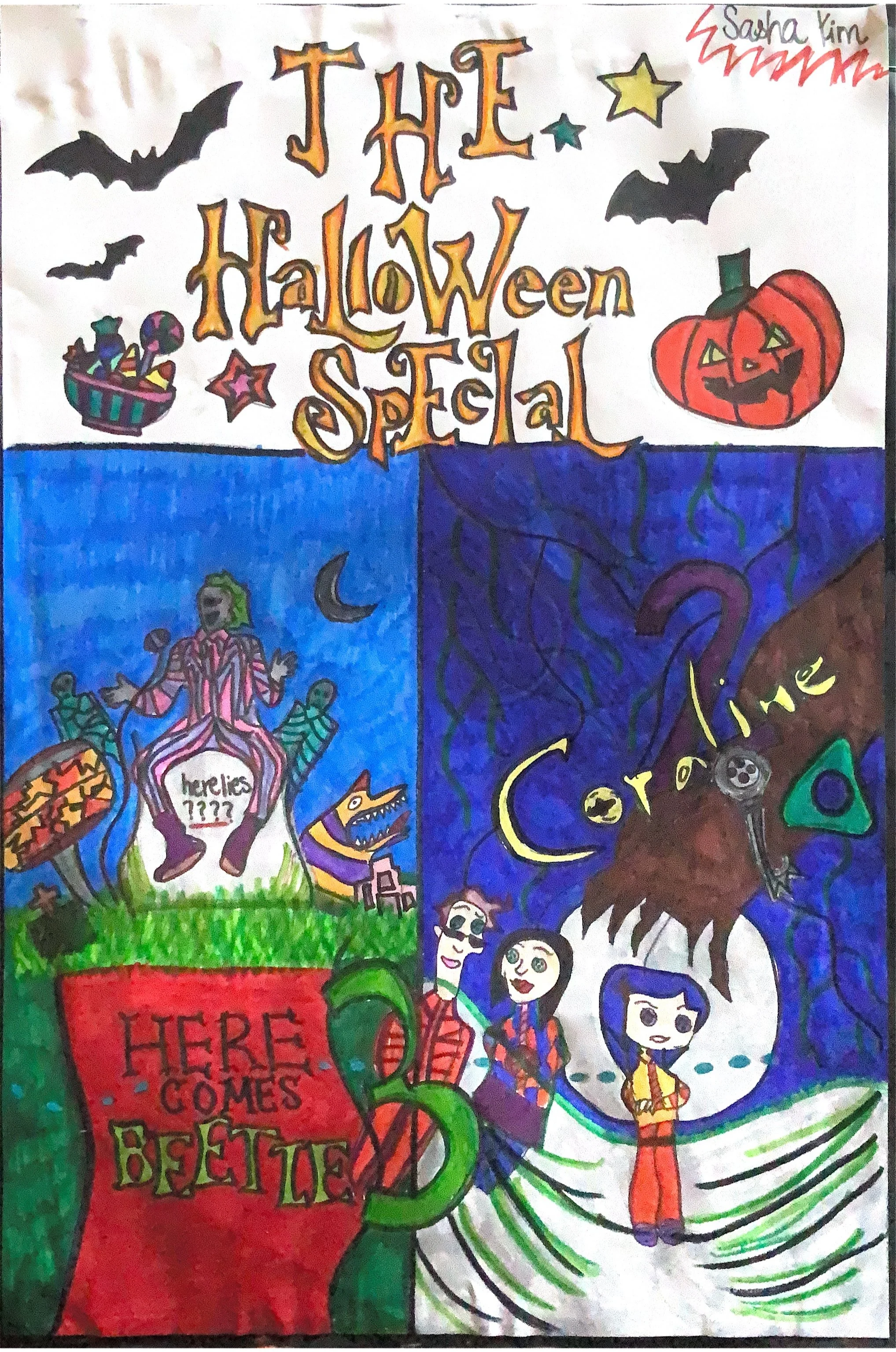
View fullsize Scanned_Document_10-14-26_at_12.34.15 PM.jpg
View fullsize Scanned_Document_10-14-26_at_12.34.15 PM 2.jpg
View fullsize Scanned_Document_10-14-26_at_12.34.15 PM 4.jpg
View fullsize Scanned_Document_10-14-26_at_12.34.15 PM 3.jpg


MOVIE POSTER PROJECT • DAY 2

FROM IDEA
TO DESIGN

CHOOSE → RESEARCH → REFINE → DEVELOP

SECTION 1 OF 8
DO NOW • 5 MINUTES

Look At Your 3 Thumbnails

WHICH IDEA
HAS THE MOST POTENTIAL?

Don't just choose the one that has the best drawing.

Which has the strongest focal point?
Which has the most interesting composition?
Which best communicates the movie?
Which could become an interesting finished poster?
CIRCLE YOUR STRONGEST THUMBNAIL.
05:00
TODAY'S AIM

Develop Your Idea

SWBAT USE VISUAL REFERENCES
TO REFINE AND DEVELOP
AN ORIGINAL MOVIE POSTER DESIGN.
THUMBNAIL → REFERENCES → REFINE → FINAL POSTER

Yesterday you generated ideas.

Today you're going to give your strongest idea the information it needs to become believable.

CHROMEBOOKS

Reference ≠ Copy

WHAT ARE WE
ACTUALLY SEARCHING FOR?
POSES How is the body positioned?
OBJECTS What does the prop actually look like?
ENVIRONMENTS Where does the story take place?
LIGHTING Where is the light coming from?
COLOR What palette supports the mood?
LETTERING What type style fits the movie?
SEARCH SMARTER

Don't Just Search The Movie

Search for the SPECIFIC information you need to help you draw.

Instead of only:

Spider-Man movie poster

Try:

Spider-Man swinging pose reference
NYC rooftop at night reference
dramatic red lighting reference
comic book title lettering inspiration
DON'T SEARCH FOR
SOMETHING TO COPY.

SEARCH FOR SOMETHING
TO HELP YOU DRAW.
REFERENCE HUNT • 10 MINUTES

Find What You Need

Find approximately
3–5 useful reference images.

✓ Character / pose reference
✓ Environment or background
✓ Important object or prop
✓ Lighting or color inspiration
✓ Typography / lettering inspiration

You do NOT necessarily need one from every category. Find the references that your particular poster needs.

10:00
BEFORE THE FINAL

Refine The Design

DON'T THROW AWAY
YOUR THUMBNAIL.

IMPROVE IT.
1
KEEP THE BIG IDEA Start with the strongest parts of your thumbnail.
2
USE YOUR REFERENCES Improve poses, objects, environments, lighting, and details.
3
CHECK YOUR FOCAL POINT Make sure the viewer still knows where to look first.
4
PLAN THE TITLE Typography is part of the composition—not an afterthought.
MAIN STUDIO • 25 MINUTES

Begin Your Final Poster

BIG SHAPES FIRST.
DETAILS LAST.
1
LIGHTLY MAP THE COMPOSITION Establish where your major elements will go.
2
ESTABLISH YOUR FOCAL POINT What should we notice first?
3
ADD MAJOR SHAPES Character, environment, objects, title area.
4
USE REFERENCES AS NEEDED Look → understand → draw.
5
WAIT ON SMALL DETAILS Make the overall composition work first.
LOOK → UNDERSTAND → DRAW

NOT

LOOK → COPY
25:00
STRONG END TO CLASS

Poster Check

Show your work to someone at your table.

Do NOT explain your poster first.

ASK THEM:

“WHERE DOES YOUR EYE GO FIRST?”
1. What do you notice first?
2. What genre or mood does this feel like?
3. What part of the composition is strongest?
4. What could be clearer?
WHAT DID YOUR
REFERENCES HELP YOU
IMPROVE TODAY?

Be specific:

pose • environment • object • color • lighting • typography • composition

All rights reserved ©️ Valen Daughtrey